Sisterhood Through Service

One thing that both my mother and grandmother have instilled in my sisters and me our entire lives is that it is always so important to put giving before receiving. Whether it was volunteering through school, church, or an organization, we needed to give back to the community that has already given so much to us. I know their hope is that that advice will not only be passed to others in my own generation, but to the ones after me as well.

I am proud to know that I am on my way to fulfilling that dream.

Currently, I am in my fourth year of service within the Junior League of Portland. The JLP, as it’s known, is the fourth oldest chapter of the Association of Junior Leagues International, or AJLI, and the first to be formed on the West coast. The first chapter of the Junior League was established on March 15, 1901 by Mary Harriman, who, according to the AJLI website, was a New York debutante ahead of her time.

At the young age of 19, Mary had more than social teas and dances on her mind. The daughter of Union Pacific Railroad titan and financier E. H. Harriman, she used her life of privilege as a platform for social reform. She wanted to give back and make change, especially for the women and children in her community who were not as fortunate as she was. This influenced other women of higher society to consider the needs of their own communities at the turn of the twentieth century. One of those women was Gretchen Corbett, who founded the Junior League of Portland in 1910. From then on, the AJLI has grown to serve chapters across the US, Canada, Mexico, and the United Kingdom. Over 150,000 women serve in 291 chapters around the globe, and those numbers continue to grow each year.

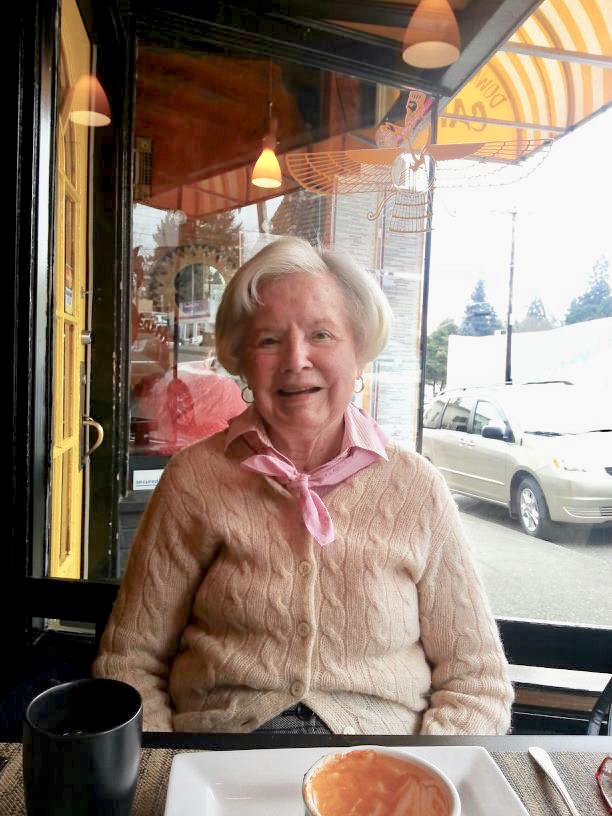
My grandmother, Delight Stacy Kolar Leonard, became a member of the Portland chapter fairly soon after having married my grandfather and moving from an Army base in California back to her hometown in the mid 1950s. Prior to joining, she had been a Camp Fire Girl as well as a member of a sorority at Stanford University. Since friends from Camp Fire and her college days were also joining the League in different chapters, it seemed like a natural choice in progression. As the rules of the JLP stipulated at the time, she would graduate from Active to Sustaining membership after she turned 40, so in her last year of Active Status, she seized the golden opportunity to become President of the Junior League of Portland in the 1970-1971 League year.
fullsizeoutput_609

My mother, Kirsten Harrington Leonard, joined the League in Portland herself in 1984. She had also graduated from Stanford and just married my dad a year prior, and having not gone on the sorority route herself, she still wanted to find an outlet for social service alongside other likeminded women. She had to be recommended for membership through friends of her mother-in-law, whom she barely knew at the time, but I know she’ll be eternally grateful for their efforts. Many of the women who have come into her life (and eventually mine) she met through joining and pursuing opportunities within the League, and they have all gone on to do great things. I’m positive that all of them look back every once in a while to think on their experiences within this great group and how it trained them to be successful, organized, dedicated leaders of their community.

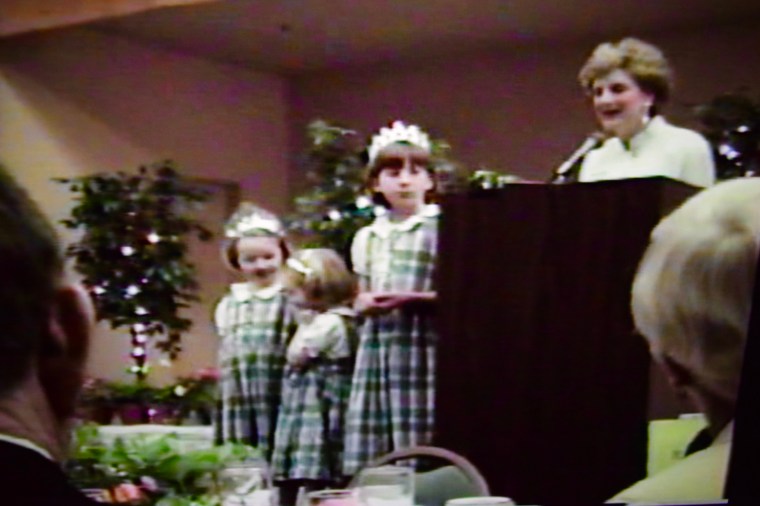
I have many fond memories of growing up within the League. Modeling clothes with my mom and sisters and running around in circles on conference tables in empty rooms sit high on that list. I must say, though, my favorite was singing the Rolling Stones’ 1969 hit “You Can’t Always Get What You Want” dressed in matching plaid jumpers and silver paper crowns with my sisters on my mom’s Presidential inauguration. There were probably around 500 people there on that day in April 1996. Of course, neither of the three of us knew exactly what the League was about back then, as we were all under the age of 10, but my mother knew in her bones that showing her young daughters that playing an active role in such an organization was something to strive for, as it would dually help ourselves while helping others.
fullsizeoutput_62c

I gained a new perspective when I first opted to join the JLP in the spring of 2014. I could tell that, albeit surprised, my mother was thrilled that I’d be the first to carry this torch in our family’s legacy. Since I am the middle of three daughters within a five-year age span, being the first to do anything of my siblings has always given me a great sense of pride and confidence, so I look back on that phone call to my mom with a smile.

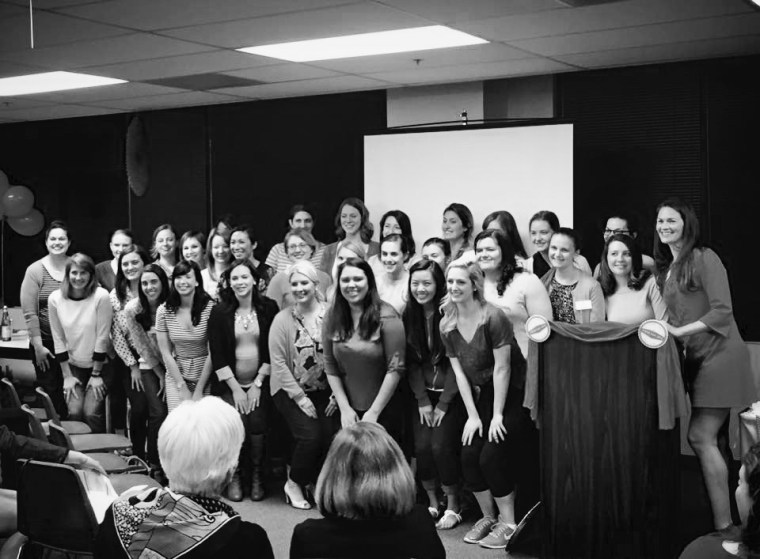
In my first (a.k.a Provisional) year, my “class” and I got a comprehensive first look at what the League does, where we’ve been, and where we’re intending to go. I learned how the JLP works to combat issues like sex trafficking, domestic violence, childhood malnourishment, and literacy. From June 1 through May 31st of each next coming year, volunteers in the Junior League of Portland put in countless hours to train, to educate others, to provide direct service, and to make each year even better than the last. But with all of that comes a sincere sense of sisterhood.
fullsizeoutput_61b

Through my Active years, I have pushed myself in ways that I never expected alongside women who I would not meet otherwise. There have always been helpful hands to guide my journey and to give me the confidence I needed to be successful. Although I did not initially join just to make friends and socialize, similar to my mom, I know a lot of these women will be a part of my life and my own eventual family’s life for years to come.

This year, I have stepped into the role of Assistant Chair for the Rose Summit, a brand-new event for the JLP that will happen this coming spring. The Summit will seek to inspire other women from the Metro area, and celebrate the paths that have already begun to gain momentum. Also, twenty years and twenty-four boards after she stepped down from her first position as a President of the Junior League of Portland, my mom is back serving as Sustainer Rep Advisor to the JLP Board. As I embark on my first leadership role within a non-profit, there is no better person to stand beside. I’m so proud of both of us, and I look forward to working with her in the organization and the sisterhood that we both love.

fullsizeoutput_4a5

What inspires you to do things for your own community? Tell me about it in the comments below!

Falling for Multnomah

One of my favorite quotes is by Nicholas D. Kristof, a long-time writer for the New York Times.

“In the end, an explorer makes history but does not necessarily change it, for his impact depends less on the trail he blazes than on the willingness of others to follow.”

I kept this quote in mind when I visited Multnomah Falls in the Columbia Gorge a few weeks ago. As a native Portlandian, I have frequented the Gorge numerous times, as it is just about an hour’s drive from the city. I have always been amazed at the lush beauty it offers its visitors, and the bounding strides made by its residents to keep it just so.

fullsizeoutput_5ea

On this particular occasion, I went to the falls to accompany my partner, a Dallas native, to check it off of his Oregon bucket list. I had done the hike to the top of the falls before, but I don’t ever remember doing it on such a scorcher of a day. The whole weekend had been forecasted to be in the mid-90s to low-100s, so I suggested that we head to the Gorge for respite from the heat. We decided to take off on the earlier side of the midmorning, so as to beat the temperatures and the traffic. A very good choice.

fullsizeoutput_562

Standing at the base of the falls, I kept thinking about Kristof’s quote as we noticed people coming from virtually everywhere: the bridge, the restaurant, the parking lots, and the hike back down from the top. An explorer makes history but does not necessarily change it. People who come to brave the hike upward to the top of the upper falls do indeed make their own history, no matter how frequently they return. But, if they find that the risk is worth it, others will eventually follow.

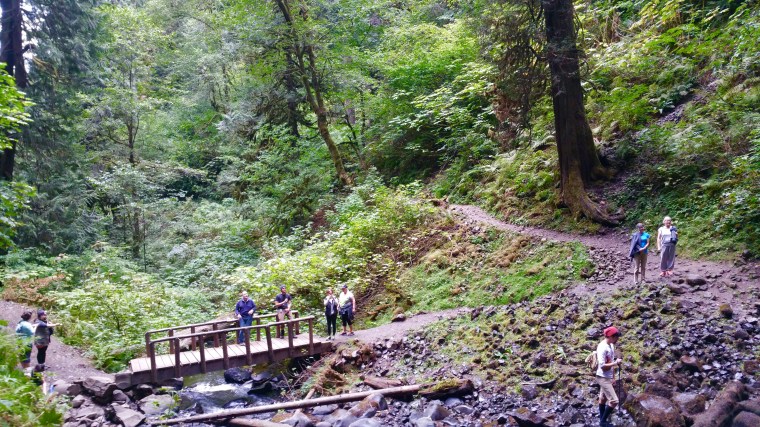
The trail to the top is roughly a mile long and mostly uphill, with 11 “switchbacks” in total. When one blazes the trail, there are numerous people ahead of and behind you, as well as people who are returning from completing the hike. Never have I felt or seen such support of one another, especially in the conditions we were all facing. Sweaty, panting, and stopping for the occasional water break, I heard so many encouraging words spoken to me and my fellow hikers of “You can do it!” and “You’re almost there!”, and best of all, “That view is so worth it!” I never wanted to give up on getting there, but I was grateful for the support of perfect strangers.

fullsizeoutput_5e9.jpeg

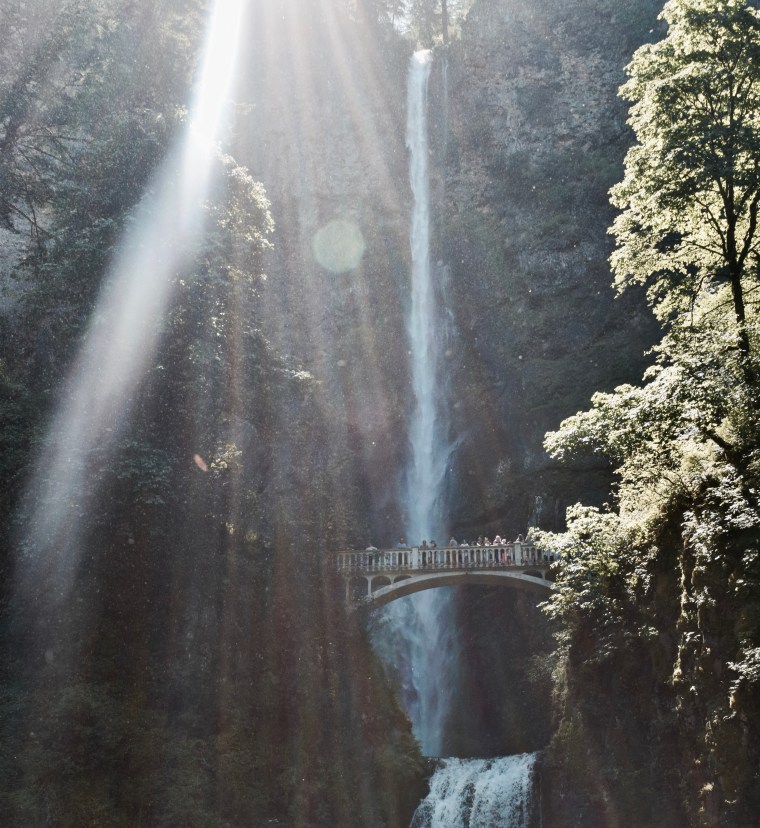
Multnomah Falls, according to USDA, is the most visited natural recreation site in the Pacific Northwest. It draws more than 2 million people annually to either bask in the spray of the base and take a selfie, or brave the hike up to the top of the upper falls with a drop of 600 feet. The scenic bridge that divides the upper and lower falls was named for Simon Benson, a Gorge contributor who in 1914 financed Italian stonemasons to design and construct it. The Mark O. Hatfield Memorial Trail starts at the falls and continues through the Oregon side of the Columbia River Gorge.

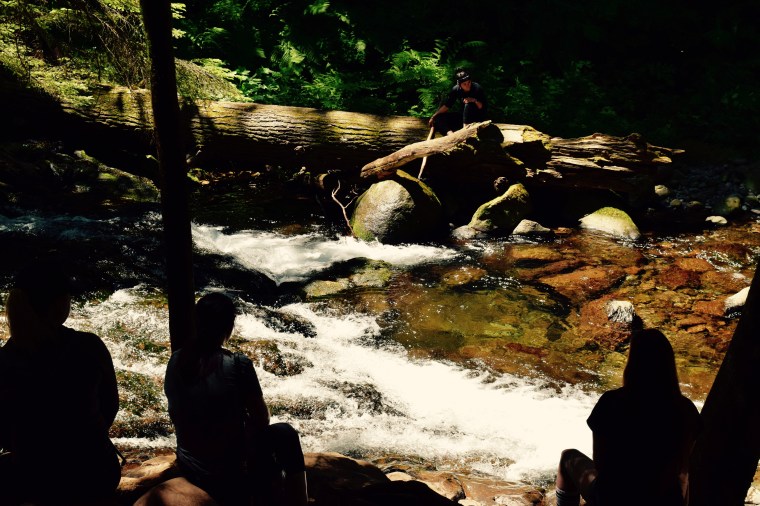
As we neared the top, there was finally a downhill trail that led right to the platform at the edge of the drop. Our fellow explorers were basking near the water, either on rocks or fallen logs, and giving smiles and nods to those who had also made the trek up successfully.

fullsizeoutput_56b

There was a feeling of both exhilaration and exhaustion in coming to this little haven, but there was also tranquility and a calmness about the whole experience. Despite the obstacles and the risks involved, we did it–all of us. As we came to the platform overlooking the drop and the bird’s-eye view of the Gorge below, I couldn’t help but think of a lyric from a Lady Gaga song. “I’m on the edge of glory, and I’m hanging on a moment of truth”. As I snapped the photo below, I could all but catch my breath in the majesty of the water, the microscopic-like view of the explorers who were about to follow after us, and the overall experience we had in the hike up.

fullsizeoutput_568.jpeg

As you head into this next weekend (or your next adventure, for that matter), I encourage you to challenge yourself somehow. Take some risks, and try something out of the ordinary. It might be scary, but chances are always high that you’ll have the encouraging support of others to take on the obstacles that lie ahead.

The journey is worth the risk, so explore! You’ll never know who might follow in your footsteps.


What is an adventure that you’ve always wanted to try, but haven’t tried yet? Tell me about it in the comments below!
Building Bridges: St. Johns

As a native of Portland, Oregon, I started learning about the history of my city in the 3rd grade. We learned things like how Portland got its name, who the main players were in its development, and most importantly, the beautiful bridges that connect the East and West sides of the Willamette River.

While learning about the bridges, we’d take field trips to the river’s edge, discussing their history, the building process of each one, and how the city further developed after each bridge was completed. A highlight of 3rd grade was creating models of one of the bridges out of common household items from toothpicks to toilet paper rolls, and presenting them to the entire 3rd grade class. The most popular model was most definitely the St. Johns bridge.

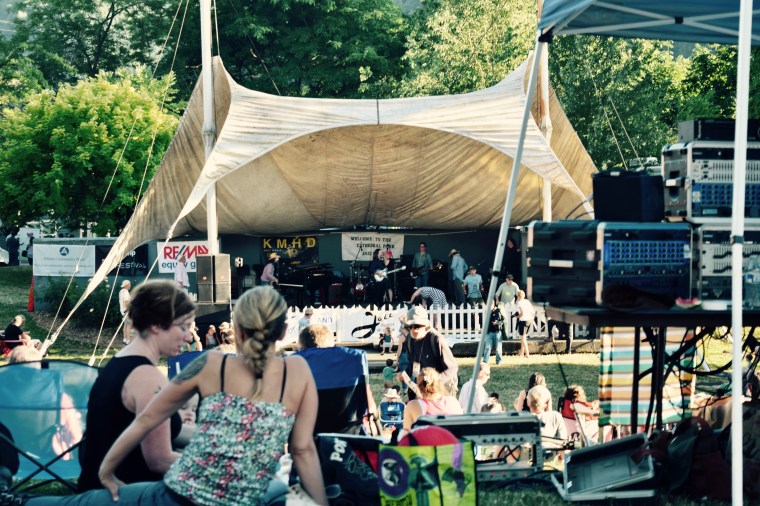
Fast forward almost 20 years later, I found myself at the 37th Annual St. Johns Jazz Festival this past weekend. This summer fest is held outdoors on the lawn of one Portland’s most beautiful parks in one of the city’s oldest neighborhoods.

fullsizeoutput_5dc

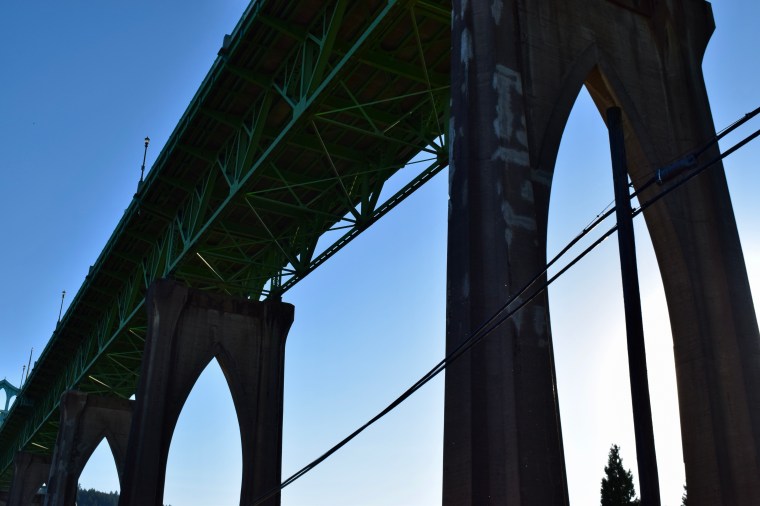
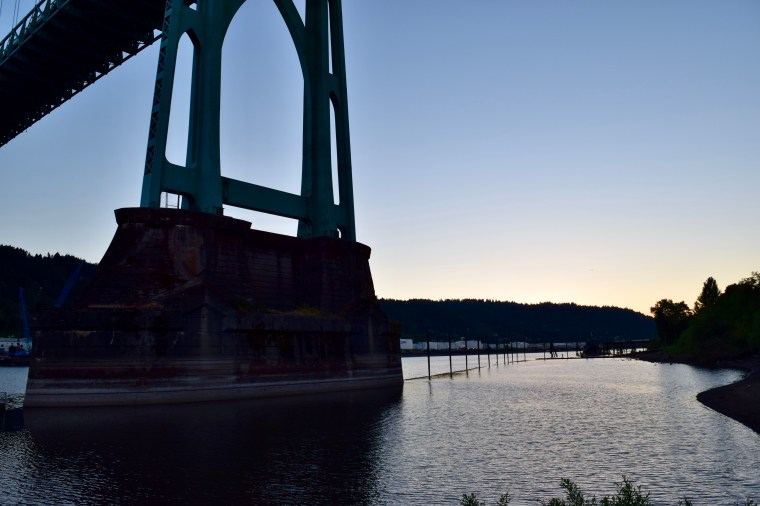
Cathedral Park, as it’s known, sits at the base of the St. Johns bridge, and it was given that name because of the gothic cathedral-like arches unique to the bridge. My favorite things about Cathedral Park, however, are the large supports that anchor it underneath, which resemble the exteriors of old European churches with large “windows”. These windows create great opportunities for photography, as they are strikingly beautiful at every angle.

fullsizeoutput_5db

Of all the bridges in Portland’s chronological history, St. Johns sits at Number 7, behind the Burnside Bridge, and ahead of the Morrison. It was designed and built by internationally renowned engineer David B. Steinman and Holton D. Robinson of New York City. Construction began just before the Stock Market’s infamous crash in 1929, and over the next two years, it provided many with employment opportunities. According to my research, the bridge’s opening was delayed a month after its actual completion so that it could serve as the defining focal point for the Rose City’s Rose Festival. As the only steel suspension bridge in the Willamette Valley, and having been constructed during the worst financial crisis the country had ever known, I’m positive that the citizens of the city viewed the St. Johns bridge as a beacon of hope and ingenuity, as well as connection of the center of town to the heart of the St. Johns neighborhood five miles away.

fullsizeoutput_5dd

Cathedral Park opened just after the bridge was finished, and stands as the perfect representation of its location. The St. Johns neighborhood is known for being very tight-knit, and it still centers on celebrating the creativity and bourgeois attitude of its townsfolk. The Jazz Fest, for example, is a highlight of the year, as it seeks to bring St. Johns neighbors as well as those living out further in the Metro area for a free opportunity to celebrate the love and the growth of Portland’s music scene. People from far and wide come to the Fest with their loved ones and pets to sit down on the grassy knoll and appreciate the music, the scenery, and each other.

fullsizeoutput_5e2

As I made my way down to the river’s edge, the sun was just starting to go down on another clear and perfect summer evening in Portland. A gentle breeze blew in, and with it, an almost spiritual sensation came over me. No matter what has ever been thrown their way, the people of St. Johns have never let it overcome and overwhelm them. They keep thriving, creating, and connecting with each other. This community is not one of the wealthiest in Portland when it comes to money, but it is when defined by building each other up.

fullsizeoutput_5e3.jpeg

What do you think makes the St. Johns neighborhood so special? Tell me in the comments below!


My Heart’s Home

Do you have a place to go where your heart, mind and soul are instantly at peace?

That place for me is Gearhart, Oregon.

Gearhart is a small town on the Oregon Coast that is just north of Seaside and Cannon Beach, and just south of Astoria. The town, according to Wikipedia, was named for Phillip Gearhart, a farmer and settler who came to Oregon from Independence, Missouri. He attained 1,748 acres over the course of 12 years, and settled there on a farm with his family. Through the building of a railroad that traveled from Seaside to Astoria in 1889, more and more people (especially Portlanders who came off the ferry in Astoria) became attracted to Gearhart for picnics and pleasantries, and they eventually built their own homes as well.

My grandparents started renting houses on the coast for vacations until the later 1960s, until they settled on this one.

fullsizeoutput_5d8

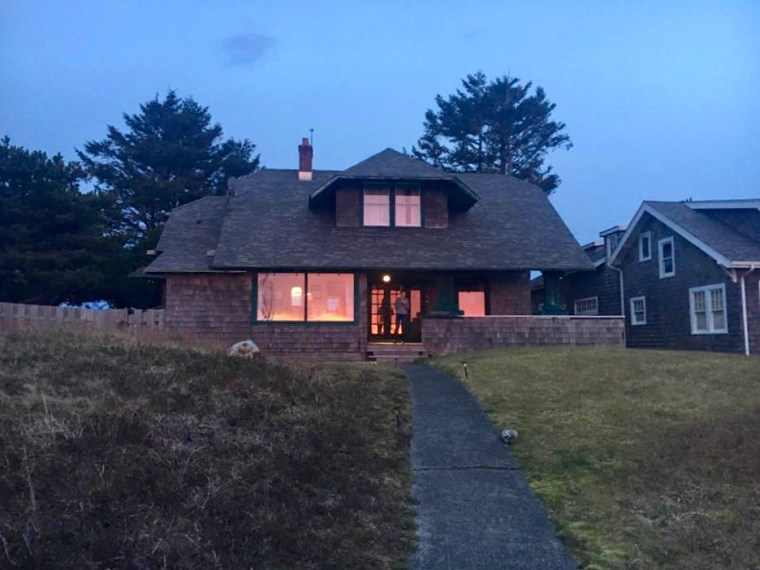
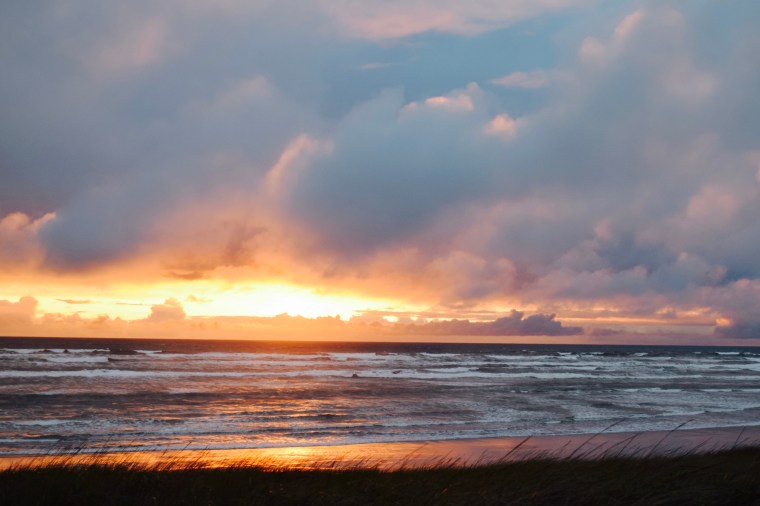
This house, formally called “Lark Hill”, is a treasured Gearhart Landmark, meaning that it has been around longer than most of the houses in this town of 1,450 occupants. The house sits on a small hill on the edge of town that is just high enough for a spectacular view of the Pacific. The edge of those front steps is one of the best seats in the house, as the vision is breathtaking, especially for those majestic Gearhart sunsets.

Since this house has been in my family for over 50 years, I have been lucky enough to have spent quite a bit of time here. Every summer until I was 16, my family would spend 3 consecutive weeks at Lark Hill. I don’t ever remember being bored while staying here, as we didn’t need to depend on what was going on in the “Real World” until we got home. My two sisters and I would spend countless hours at the beach building sandcastles, riding bikes to the local grocery store (we only knew it as the “candy store”), swinging in the hanging basket chair, and playing numerous card and board games. There were no TVs and no smartphones, so it forced us to focus on each other and find other ways of entertaining ourselves together as a family.

Now that I’m an adult, the house has incurred a few changes here and there. There are more modern furnishings inside, and a flatscreen TV now stands where the hanging basket chair swung its final swing. Pictures of favorite past memories line the hall upstairs, and the rest stay in a small basket on the coffee table downstairs for those who feel so inclined to reminisce. The kitchen has been updated from its original form, and there are now showers in both bathrooms.

However, with all the changes that have happened, the floor still creaks every time you take a step, and the boards of the walls that separate each room still might as well be made of paper. The rusty old bikes with the child’s seats in the back stay parked by the dining room table, and the view of the ocean from the twin bedroom upstairs will always be the best view in the house. And greatest of all, the path for a two-minute walk to the beach is still the same one my family has used for decades.

fullsizeoutput_59b

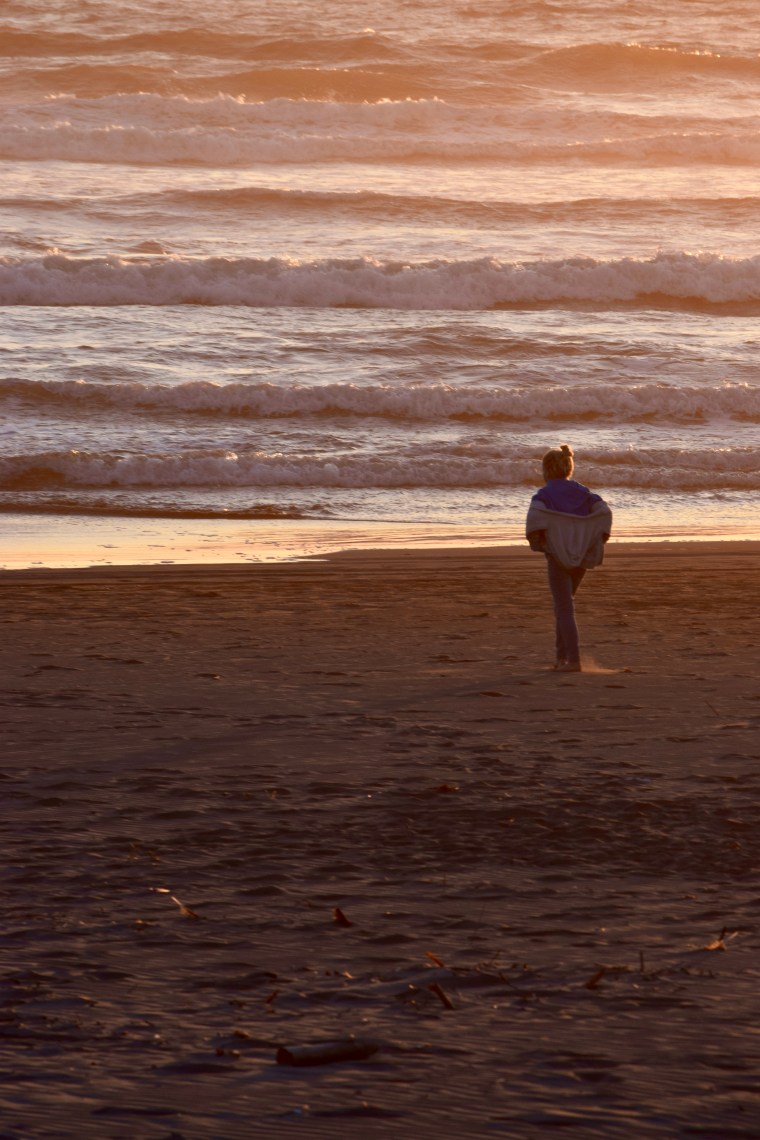
Most importantly, what hasn’t changed is the feeling of calm, serenity, and relaxation I get when thinking of and being in this wonderful home away from home. In this age of busyness, stress and always needing to depend on connection to the outside world, we need to take a step back every now and then to remind ourselves of simpler times where all we needed to inspire and entertain ourselves was our five senses and a little creativity. Smelling and almost tasting the salty sea air, feeling the sand squish between our toes, hearing the ocean’s roar and looking out at a sunrise or sunset that artists could only dream of emulating is my idea of bliss. The people will come and go, but the feeling upon returning is similar.

Gearhart is my favorite place in the world. It is my heart’s home.

fullsizeoutput_f5

Do you have a favorite place to visit? Tell me about it in the comments below!